EXPLORE YOUR TREATMENT OPTIONS
K-Laser Therapy & Sanexas Treatment
Non-Invasive Options for Nerve Pain and Recovery
K-Laser Therapy & Sanexas Treatment
K-Laser therapy and Sanexas treatment are non-invasive therapies designed to support patients experiencing chronic pain, nerve-related symptoms, mobility concerns, and recovery challenges. At Anesthesia Specialists of Arkansas, these treatments may be used individually or together as part of a personalized pain management plan focused on supporting comfort, function, and long-term symptom management.

Light Based Therapy for Pain and Recovery
Understanding K-Laser Therapy
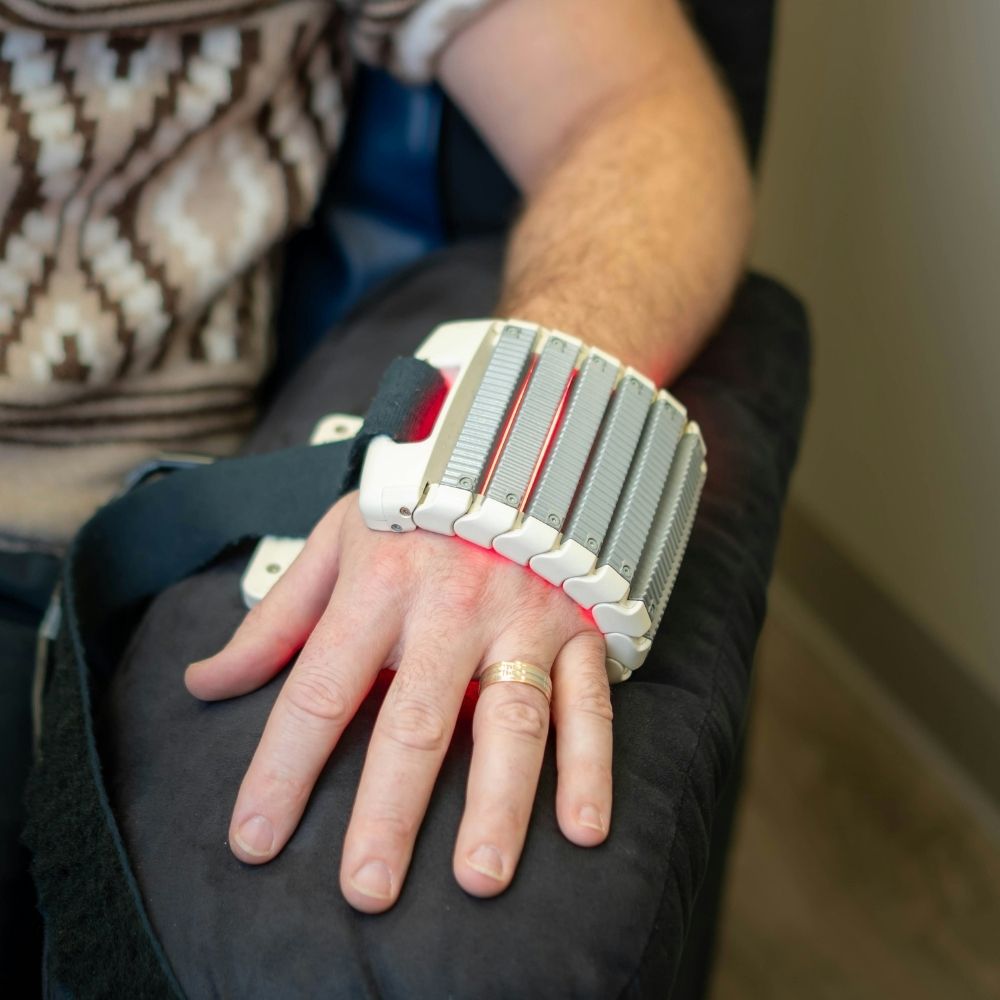
K-Laser therapy uses specific wavelengths of light energy to deliver therapeutic laser treatment to targeted areas of the body. Unlike surgical lasers that cut or remove tissue, therapeutic lasers are designed to penetrate beneath the skin without causing damage, helping support the body’s natural recovery processes.
The laser energy is absorbed by cells within the treated tissues, where it may help support cellular activity, circulation, tissue repair, and inflammation management. Improved circulation and healthy cellular function can play an important role in recovery and overall tissue health.
K-Laser therapy may be recommended for patients experiencing muscle tension, soft tissue injuries, joint discomfort, tendon irritation, inflammation, or other conditions affecting mobility and function. Because treatment is non-invasive, sessions typically require little to no downtime.
Depending on a patient’s symptoms and treatment goals, K-Laser therapy may be used on its own or alongside other pain management treatments as part of a broader strategy focused on recovery, mobility, and long-term symptom management.
Electrical Stimulation Therapy for Nerve Health
Understanding Sanexas Treatment
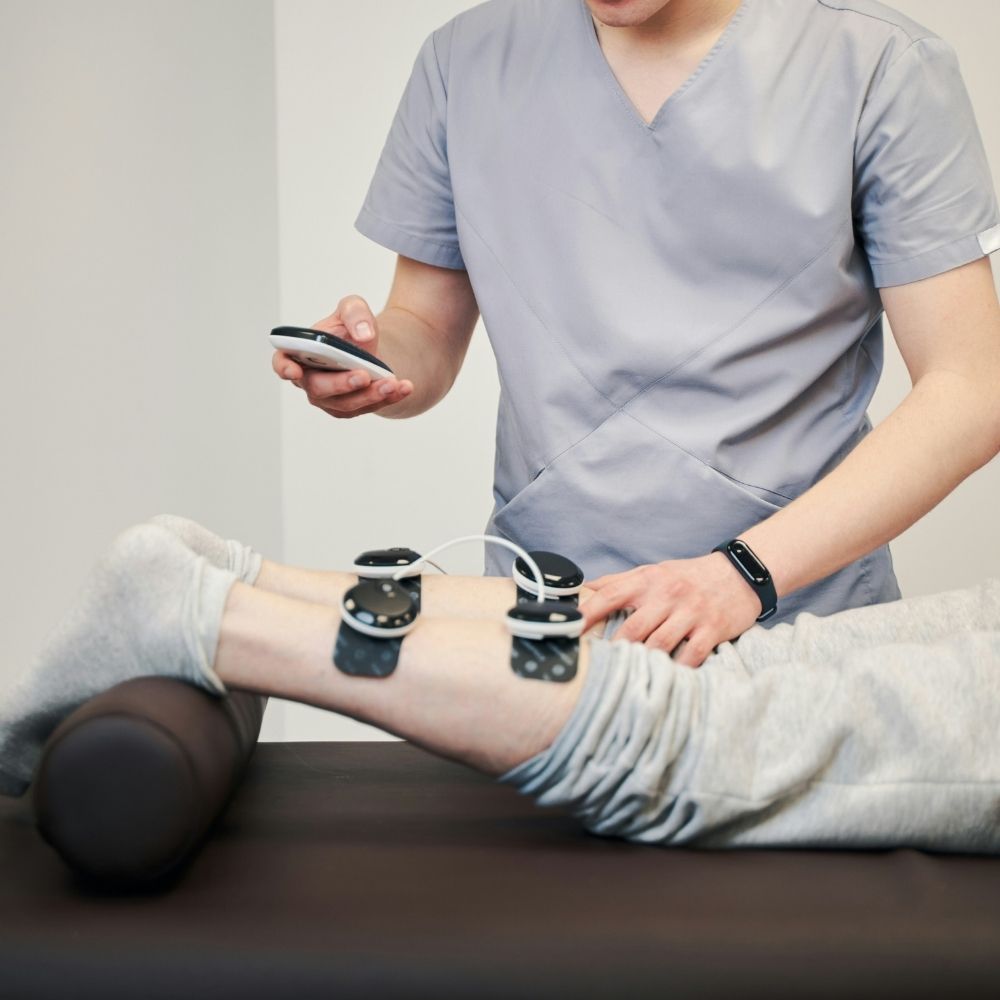
Sanexas treatment is a non-invasive therapy that uses advanced electrical stimulation technology designed to support nerve communication, circulation, and nerve-related symptom management. It is most commonly used for patients experiencing neuropathy and other conditions involving peripheral nerve dysfunction.
Unlike traditional electrical stimulation devices that primarily focus on temporary pain relief, Sanexas treatment is designed to deliver specific electrical waveforms intended to support nerve function and improve circulation in the affected area. These treatments may help patients experiencing burning pain, tingling, numbness, sensitivity changes, or other neuropathic symptoms.
Because healthy circulation plays an important role in nerve health, improving blood flow may help deliver oxygen and nutrients needed to support normal nerve function and recovery. Treatment recommendations vary depending on the underlying condition, symptom severity, and each patient’s overall goals.
Sanexas treatment is often incorporated into a broader pain management plan and may be used alongside other therapies when appropriate to help support long-term symptom management and overall function.
Advanced Therapies for Recovery and Symptom Management
Types of K-Laser Therapy & Sanexas Treatment
K-Laser therapy and Sanexas treatment may be used individually or together depending on the condition being treated and a patient’s overall goals. While K-Laser therapy primarily focuses on supporting tissue recovery and inflammation management, Sanexas treatment is designed to support nerve health and circulation. Your provider will recommend the most appropriate approach based on your symptoms and evaluation.
K-Laser Therapy for Soft Tissue and Joint Pain
K-Laser therapy may be used to help support circulation, reduce inflammation, and promote recovery involving muscles, joints, tendons, ligaments, and other soft tissues. Treatment may also help improve mobility and support long-term management of chronic musculoskeletal discomfort.
Sanexas Treatment for Neuropathy Symptoms
Sanexas treatment is commonly used for patients experiencing burning sensations, tingling, numbness, sensitivity changes, and other symptoms associated with peripheral neuropathy. Treatment focuses on supporting nerve communication and circulation while helping manage ongoing neuropathic symptoms.
K-Laser Therapy for Recovery Support
K-Laser therapy may also be recommended to support recovery following injuries, repetitive strain, or other conditions affecting tissue health. By promoting circulation and cellular activity, treatment may help support the body’s natural healing response throughout the recovery process.
Sanexas Treatment for Nerve Recovery Support
Sanexas treatment may also be incorporated into care plans designed to support nerve health and long-term recovery. By encouraging healthy circulation and nerve stimulation, treatment may help support overall nerve function while complementing other pain management therapies.
Addressing Pain, Circulation, and Mobility Concerns
Conditions Commonly Treated
K-Laser therapy and Sanexas treatment may be recommended for a variety of conditions involving chronic pain, nerve irritation, circulation concerns, inflammation, and mobility limitations. While treatment recommendations vary based on each patient’s condition and goals, these therapies are often incorporated into broader pain management plans focused on supporting recovery and everyday function.
Peripheral Neuropathy
Peripheral neuropathy may cause burning pain, tingling, numbness, heightened sensitivity, weakness, or discomfort affecting the hands and feet. These symptoms may gradually interfere with balance, mobility, and overall quality of life.
Chronic Joint and Muscle Pain
Long-term joint and muscle pain may result from arthritis, repetitive strain, inflammation, overuse, or previous injuries. These conditions can contribute to stiffness, reduced mobility, and ongoing discomfort.
Diabetic Neuropathy
Diabetic neuropathy develops when prolonged elevated blood sugar levels damage peripheral nerves. Symptoms may include numbness, burning sensations, tingling, reduced sensation, and circulation-related concerns affecting daily function.
Tendon and Soft Tissue Injuries
Tendon irritation, ligament injuries, muscle strains, and other soft tissue conditions may affect strength, flexibility, and recovery. Supporting tissue health may help improve movement and overall function.
Fibromyalgia
Fibromyalgia is a chronic condition that may contribute to widespread muscle pain, tenderness, fatigue, sleep disturbances, and increased sensitivity to pain. Some patients may benefit from therapies that support comfort, circulation, and mobility.
Sports and Repetitive Stress Injuries
Repetitive movement and athletic activity may place ongoing stress on muscles, tendons, ligaments, and joints. These conditions can contribute to inflammation, soreness, reduced mobility, and longer recovery times.
Pain Following Injury or Surgery
Some patients continue to experience pain, stiffness, inflammation, or nerve irritation following an injury or surgical procedure. Supporting recovery may help improve mobility and overall function during rehabilitation.
Circulation-Related Nerve Symptoms
Reduced circulation may contribute to numbness, tingling, burning sensations, delayed healing, and other symptoms associated with nerve dysfunction. Supporting healthy blood flow may play an important role in overall nerve health.
Common Questions From Patients
Frequently Asked Questions About K-Laser Therapy & Sanexas Treatment
K-Laser therapy and Sanexas treatment use different technologies, but both are designed to support recovery, nerve health, and long-term symptom management. Learning more about how these therapies work and what to expect can help you better understand the role they may play within a personalized pain management plan.
Still have questions? Contact our team today!
Does the K-Laser burn the skin and is the treatment painful?
No. K-Laser therapy is different from surgical lasers and isn’t designed to burn or damage tissue. Most patients experience little to no discomfort during treatment, although some notice a gentle warming sensation in the treated area as the laser delivers therapeutic energy.
Because treatment is non-invasive, sessions generally require no recovery time, allowing most patients to return to normal activities shortly afterward.
How long does a single K-Laser treatment session take?
Some K-Laser therapy sessions take as little as 3 minutes, while others may take longer depending on the size of the treatment area and the condition being addressed. Because every treatment plan is personalized, the length of each session can vary from patient to patient.
Before you begin treatment, your provider will explain what to expect, including the estimated treatment time for each session and the number of treatments recommended based on your symptoms and goals.
Are the results from the K-Laser permanent or does the pain come back?
Results vary depending on the underlying condition being treated. Some patients experience lasting improvement, while others may benefit from periodic maintenance treatments, particularly if chronic conditions continue to affect the joints, muscles, or soft tissues.
Although K-Laser therapy may help support recovery and symptom management, it doesn’t eliminate the underlying cause of every condition. Your provider will discuss realistic expectations based on your diagnosis and overall treatment plan.
How exactly does Sanexas heal nerves compared to a standard home TENS unit?
Although both therapies use electrical stimulation, they are designed for different purposes and operate in different ways.
Home TENS units are primarily intended to provide temporary pain relief by sending low-frequency electrical impulses that help reduce the perception of pain while the device is in use. They generally target surface-level sensory nerves and are commonly used for short-term symptom management.
Sanexas treatment uses advanced Electric Cell Signaling Technology that delivers complex, high-frequency electrical waveforms designed to support nerve communication, circulation, and overall nerve function. Unlike traditional TENS units, the electrical signals continuously vary in frequency and intensity, helping deliver stimulation throughout the treatment session. These signals are intended to reach deeper tissues while supporting healthy circulation and cellular activity in the affected area.
Another important difference is that Sanexas treatment is performed in a clinical setting rather than at home. Treatment parameters can be adjusted by your provider based on your symptoms, the area being treated, and your overall treatment goals, allowing for a more individualized approach to care.
While a home TENS unit is generally intended to provide temporary symptom relief, Sanexas treatment is used as part of a broader pain management plan focused on supporting long-term nerve health and helping manage ongoing neuropathic symptoms.
Can Sanexas actually reverse advanced peripheral neuropathy and numbness?
There is currently no cure that can completely reverse advanced peripheral neuropathy or restore nerves that have sustained permanent damage. However, Sanexas treatment is an FDA-cleared therapy designed to help patients manage neuropathy symptoms by supporting nerve function and circulation.
While results vary from person to person, many patients seek Sanexas treatment to help reduce symptoms such as burning pain, tingling, numbness, and discomfort associated with peripheral neuropathy. Although the treatment can’t guarantee that advanced nerve damage will be reversed, it may help improve symptom management, support everyday function, and enhance overall quality of life as part of a comprehensive care plan.
Your provider will evaluate your condition, discuss realistic expectations, and determine whether Sanexas treatment may be an appropriate option based on your symptoms and overall treatment goals.
Advanced Care for Recovery and Mobility
Explore K-Laser Therapy & Sanexas Treatment Options
Not every pain management plan looks the same. For some patients, non-invasive therapies such as K-Laser therapy and Sanexas treatment can play an important role in supporting recovery, nerve health, and long-term symptom management. Our team is here to help you understand your options and build a treatment plan designed around your symptoms, goals, and overall health.